Why your Stretch Garments Don't Fit - you are ignoring this: Calculate Stretch and Recovery
Stretch fabrics are popular for their comfort and flexibility, but many people struggle with fitted garments that don’t fit as expected. The problem often lies in how stretch and recovery are measured and applied during garment construction or selection. Understanding how to calculate stretch and recovery using centimeters can transform how your clothes fit and feel.
Stretch fabric behaves differently from woven fabric because it expands and contracts. If you ignore this behavior, your fitted garments might end up too tight, too loose, or lose their shape quickly. This post explains how to calculate stretch and recovery and what to do with fitted garments to get the perfect fit.
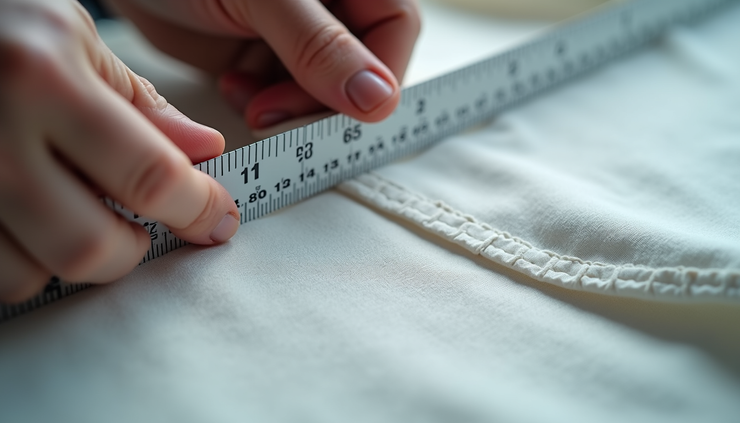
How to Calculate Stretch in Fabric
Calculating stretch means measuring how much a fabric can extend beyond its original length. This is essential because it determines how much the garment will expand when worn.
Step 1: Measure the Original Length
Lay the fabric flat without stretching. Use a ruler or measuring tape marked in centimeters to measure a specific length, for example, 10 cm. This is your baseline.
Step 2: Stretch the Fabric
Gently pull the fabric in the direction you want to measure (usually crosswise for stretch fabrics). Stretch it until you feel resistance but don’t force it beyond its natural limit.
Step 3: Measure the Stretched Length
While holding the fabric stretched, measure the new length in centimeters. For example, if the fabric stretches from 10 cm to 13 cm, you have the numbers needed for the next step.
Step 4: Calculate the Percentage of Stretch
Use this formula to find the stretch percentage:
```
Stretch % = ((Stretched Length - Original Length) / Original Length) × 100
```
Using the example:
```
Stretch % = ((13 cm - 10 cm) / 10 cm) × 100 = 30%
```
This means the fabric stretches 30% beyond its original length.
How to Calculate Recovery in Fabric
Recovery is how well the fabric returns to its original size after being stretched. Good recovery means the garment will keep its shape and not sag or bag out.
Step 1: Stretch the Fabric
Repeat the stretch process as before, pulling the fabric to the same length.
Step 2: Release and Measure
Let go of the fabric and allow it to relax for a few seconds. Then measure the length again in centimeters.
Step 3: Calculate Recovery Percentage
Use this formula:
```
Recovery % = ((Stretched Length - Relaxed Length) / (Stretched Length - Original Length)) × 100
```
For example, if the fabric stretched to 13 cm and relaxed back to 10.5 cm:
```
Recovery % = ((13 cm - 10.5 cm) / (13 cm - 10 cm)) × 100 = (2.5 / 3) × 100 ≈ 83%
```
An 83% recovery means the fabric returns most of the way to its original length, which is good for fitted garments.
What to Do with Fitted Garments Based on Stretch and Recovery
Knowing stretch and recovery helps you decide how to handle fitted garments.
Choose the Right Fabric for Your Design
High stretch (30% or more) with good recovery (80% or more) is ideal for tight-fitting garments like leggings or bodycon dresses.
Lower stretch or poor recovery fabrics suit looser garments or styles that don’t require much shape retention.
Adjust Pattern Measurements
If your fabric stretches 30%, you can reduce the garment’s flat measurement by about 15% to 20% to allow for stretch without tightness. For example, if your waist measurement is 80 cm, cut the fabric to about 65–68 cm to accommodate stretch.
Test Fit Before Final Sewing
Make a muslin or test garment with your chosen fabric and pattern adjustments. Stretch and recovery can vary even within the same fabric type, so testing helps avoid surprises.
Care for Stretch Fabrics Properly
Stretch fabrics lose recovery if washed or dried incorrectly. Use gentle cycles, avoid high heat, and store garments flat or folded to maintain shape.

Common Mistakes to Avoid
Ignoring fabric stretch direction: Stretch usually occurs crosswise. Cutting fabric without considering this leads to poor fit.
Not measuring stretch and recovery: Relying on fabric labels alone can be misleading.
Overstretching fabric during sewing: This can distort seams and cause garments to lose shape.
Using stretch fabric for non-stretch patterns: Patterns designed for woven fabrics won’t fit well with stretch fabrics unless adjusted.
Understanding how to calculate stretch and recovery using centimeters gives you control over garment fit. It helps you choose the right fabric, adjust patterns, and care for your clothes properly. This knowledge turns frustration into confidence when working with stretch fabrics.


Comments